#AI
-
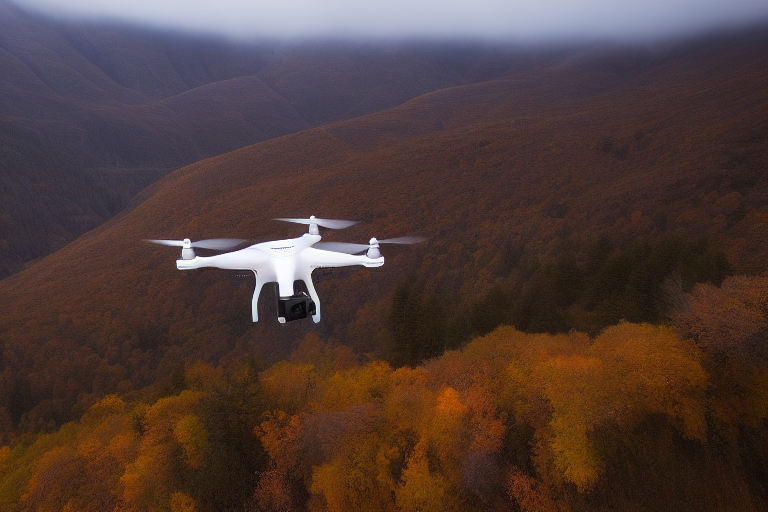
As AI migrates from massive data centers to local devices, a new era of edge computing is emerging. While breakthroughs in efficiency promise incredible privacy and utility, they also bring the risks of localized surveillance and the looming threat of quantum-era security failures.
-
As Anthropic aggressively throttles power users to save on GPU costs, the industry is pivoting toward an 'Edge Revolution.' This shift promises unprecedented privacy and efficiency through local intelligence, but it brings terrifying new risks of localized surveillance and unmanageable security overhead.
-

Anthropic's decision to withhold Claude Mythos due to its zero-day exploitation capabilities marks a terrifying new era in AI. As massive models move to the edge via extreme optimization, the boundary between software and autonomous, potentially invasive, agents is disappearing.
-

The era of permanent, static software is dying, replaced by ephemeral, AI-generated 'instant software.' As intelligence moves to the edge, we're entering a high-stakes arms race between automated attackers and self-healing defenses.
-

From high-fidelity gaming to precision irrigation, the move to edge-native intelligence is transforming our physical and digital worlds. However, this decentralization brings massive energy costs, ecological imbalances, and terrifying new hardware-level vulnerabilities.
-
Semantic NLP-driven crawlers are revolutionizing ESG data tracking with massive accuracy gains, but a growing 'complexity premium' from edge security and post-quantum needs threatens to overwhelm our decentralized hardware.
-

We are witnessing a massive migration of AI from the cloud to the device. As edge-native models become hyper-efficient and grounded in personal data, they promise a revolution in personalized learning and real-time interaction, provided we can solve the looming challenges of cultural nuance and quantum security.
-

AI is migrating from massive, distant clouds directly onto our personal devices. This shift toward 'Edge AI' and the Symbiotic IoT promises much more intuitive, empathetic, and efficient interactions, though it brings significant ethical and security risks.
-

The era of single-task chatbots is over, replaced by autonomous multi-agent swarms that manage entire workflows. While breakthroughs in efficiency are making edge-based AI a reality, the rising computational cost of privacy and quantum-ready security is creating a massive developer dilemma.
-

Accuracy metrics are failing us. We're diving into the new Knowledge Retention Score (KRS) and XAI techniques that finally let us see if compressed AI models are actually learning or just mimicking patterns.
-

Generic LLMs are taking a backseat to hyper-specialized, domain-specific agents in industries like petroleum engineering and linguistics. As intelligence moves to the edge, the industry faces a massive struggle to balance high-resolution accuracy with the heavy computational and security costs of the next decade.
-

Personalization is moving from the cloud to your pocket. From AI-curated groceries to smartphone-based medical monitoring, the edge revolution is here, bringing hyper-utility and a massive complexity premium.
-

The next frontier of AI isn't just smarter text; it's localized, empathetic intelligence capable of detecting mental health crises through subtle linguistic shifts. As computing moves to the edge, the dream of a private, 'integrated sanctuary' is becoming a reality—provided we can manage the massive computational cost of security.
-

The era of the 'dumb' text-only chatbot is dying. As we move intelligence from vulnerable clouds to the edge, we are building a new, symbiotic layer of AI that can sense human emotion—but at the potential cost of invisible surveillance.
-

The era of simple AI chatbots is over, replaced by a shift toward agentic workflows and edge-native intelligence. While breakthroughs in efficiency are making autonomous software creation possible, the mounting complexity of quantum-secure privacy layers is creating a massive technical tax.
-

From Western Union's VMware exodus to the shift toward edge computing, the tech world is undergoing a massive, structural re-alignment. While efficiency gains are unlocking incredible new capabilities, the rising 'complexity premium' of advanced security threatens to overwhelm the very devices we are trying to empower.
-

From billion-pound legal battles over software ownership to the migration of massive AI models to our pockets, the tech landscape is undergoing a radical, high-stakes transformation. As intelligence moves to the edge, we are facing a massive surge in both technical capability and systemic complexity.
-

From disastrous pension portals to massive gaming breaches, the era of centralized data is crumbling. As we pivot toward an 'Edge Revolution,' the battle for privacy is moving from the cloud to the palm of your hand.
-
The UK government is outbidding the Prime Minister to recruit tech leaders, signaling a massive shift toward edge computing. As intelligence moves from data centers to your pocket, the industry faces a high-stakes battle between incredible efficiency and overwhelming security complexity.
-

From sneaky £700k payment reroutes to the rise of localized AI, the digital battlefield is shifting to the edge. While new algorithmic efficiencies are making mobile intelligence a reality, they are also ushering in an era of undetectable, local surveillance.